
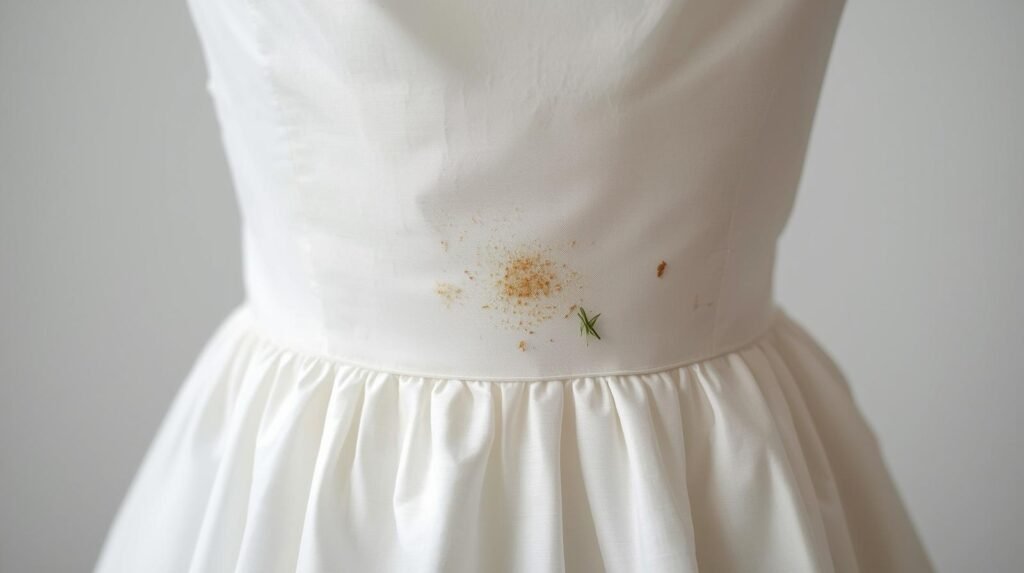
Spills happen fast, but stains do not have to become permanent. Whether it is coffee on a work shirt, grease on a favorite pair of jeans, or sweat marks on a white top, the right spot treatment can make a big difference. The key is acting quickly, using the right method for the type of stain, and paying attention to the fabric care label before you do anything else. Laundry experts and fabric-care guides consistently recommend removing excess residue first, pre-treating the stain, washing according to the care label, and checking the garment before putting it in the dryer because heat can set stains and make them much harder to remove.
Key Takeaways
1. Treat stains as soon as possible
The longer a stain sits, the harder it is to remove. Quick action matters.
2. Start by removing excess material
Blot liquids and gently scrape solids with a spoon, dull knife, or cloth. Avoid aggressive rubbing.
3. Match the treatment to the stain type
Grease, protein, dirt, and dye stains do not all respond to the same method.
4. Always check the care label
The safest cleaning method depends on the fabric. Some items should be handled gently or professionally cleaned.
5. Never machine-dry a stained item until the stain is gone
Dryer heat can lock in the stain. Air drying is the safer choice when you are checking results.
Why Spot Treatment Works
Spot treatment works because it targets the stain before a full wash cycle has the chance to bake it deeper into the fibers. In most cases, the best approach is simple: remove the excess, pretreat the area, wash in the warmest water safe for the fabric, and inspect before drying. When you are unsure what caused the stain, cold water is usually the safer starting point. Greasy stains are one of the main exceptions, since warm water and grease-cutting pretreatment are often more effective.
For everyday laundry, that means you do not need a complicated routine. You need a fast one. Keep a stain-removal spray, a liquid laundry detergent, and a clean white cloth nearby. For many household stains, quick pretreatment is more important than fancy products.
The Basic Step-by-Step Method for Stain Removal
Step 1: Blot or scrape first
If the stain is wet, blot it gently. If it is thick or dried, scrape off as much as you can. This prevents you from spreading the stain deeper into the garment.
Step 2: Check the fabric care label
Before applying anything, read the care tag. That single step can help you avoid color loss, shrinkage, fiber damage, or a ruined finish.
Step 3: Pretreat the stain
Use a laundry pretreater, liquid detergent, or a fabric-safe solution that fits the stain type. Enzyme detergents are commonly recommended for many food, body, and protein-related stains. Mild detergent is the safer choice for delicate fabrics.
Step 4: Wash properly
Wash the garment in the warmest water that is still safe for the item according to the care label.
Step 5: Air dry and inspect
Do not put the item in the dryer until the stain is fully gone. If any trace remains, repeat the treatment and wash again.
How to Treat the Most Common Clothing Stains
Grease and oil stains
Grease stains are some of the most searched and most frustrating clothing stains because they can linger even after a wash. Start by blotting away excess oil. Then apply a pretreatment, liquid detergent, or in some cases dish detergent, and let it sit briefly before washing in the warmest water safe for the fabric. Grease and oil stains usually need a product that can break down oily residue.
Coffee stains
Coffee stains should be rinsed and treated quickly. Current laundry guides commonly recommend rinsing with cold water first, applying an enzyme detergent or laundry detergent, and then washing according to the care label. Delicate fabrics need a gentler detergent approach.
Blood stains
Blood is a protein stain, which means hot water is usually the wrong move. Cold water is the safer first step. After rinsing, an enzyme detergent is often recommended before washing in cool water or the safest setting for the item.
Red wine stains
Red wine can spread quickly, so blot first rather than rub. Then rinse with cold water and pretreat the stain. For washable fabrics, enzyme detergent or a suitable pretreatment is commonly recommended before laundering.
Grass stains
Grass stains often respond well to enzyme detergent pretreatment. For tougher marks, gentle brushing may help, but avoid overworking the fabric. Wash according to the care label and check before drying.
Sweat stains
Sweat stains, especially on white shirts, are another high-interest laundry problem. Recent guidance recommends checking the care label, pretreating the stained area, and avoiding the dryer until the discoloration is gone. White vinegar and enzyme-based pretreatment are commonly suggested for washable items, but always test first on an inconspicuous area.
Fabrics That Need Extra Caution
Not every garment should be treated the same way. Delicate or specialty materials can react badly to home stain removal. Fabric-care guidance warns that items labeled dry clean only may be damaged by water-based treatment or washing. Materials that often require extra caution include silk, wool, acetate, velvet, taffeta, suede, leather, and garments with beads or sequins. On these items, home spot treatment can cause water marks, distortion, fading, or texture damage.
That is why the care label matters so much. A stain-removal trick that works beautifully on cotton or polyester may ruin a delicate blouse, dress, or structured garment. When in doubt, test a hidden area first or choose professional cleaning.
Common Stain Removal Mistakes to Avoid
One of the biggest mistakes is rubbing the stain aggressively. That can spread the mess and push it deeper into the fibers. Another common mistake is using hot water too soon, especially on protein stains like blood. A third mistake is throwing the garment into the dryer before checking whether the stain is fully gone. And finally, many people skip the care label, which is exactly how washable fabrics turn into damaged fabrics.
There is one more important safety note: garments exposed to flammable substances such as gasoline should not be washed or dried in a machine until the hazard is fully resolved, and manufacturers caution against routine machine washing and drying for those items.
Final Thoughts
Spot treatment and stain removal do not have to feel overwhelming. For most everyday stains, success comes down to a few basics: act fast, blot or scrape first, match the treatment to the stain, follow the fabric care label, and do not use the dryer until the stain is gone. Whether you are dealing with grease, coffee, blood, wine, grass, or sweat, the right first move can save your clothing and help your laundry come out looking fresh.
FAQ: Spot Treatment for Clothes and Stain Removal for Clothing
How do you remove stains from clothes?
To remove stains from clothes, start by treating the stain as soon as possible. Blot liquids, scrape off solids, and apply a spot treatment for clothes such as liquid laundry detergent or a fabric-safe stain remover. Wash the garment according to the care label and avoid drying it until the stain is fully gone.
What is the best spot treatment for clothes?
The best spot treatment for clothes depends on the type of stain and fabric. For many common stains, a liquid laundry detergent or stain remover works well as a pretreatment. Always check the fabric care label first and test the product on a hidden area before using it on the stained spot.
How do you get tough stains out of clothing?
To get tough stains out of clothing, pretreat the area before washing and repeat the stain removal process if needed. Grease, coffee, blood, grass, sweat, and red wine are some of the hardest stains to remove from clothes, especially if they have already dried or set into the fabric.
Should you use hot or cold water for stain removal?
Cold water is usually the safest first step for stain removal, especially for protein-based stains like blood. Warm water may help remove grease or oil stains from clothing, but you should always follow the garment care label before washing.
Is stain removal safe for all fabrics?
No, stain removal is not safe for all fabrics. Delicate materials such as silk, wool, velvet, suede, leather, acetate, and dry-clean-only garments can be damaged by at-home spot treatment. Always read the care label and test any stain remover on a small hidden area first.
Disclaimer
Disclaimer: The information in this article is provided for general educational purposes only. Stain removal results will vary based on the type of stain, how long it has set, the fabric content, dye stability, garment construction, and whether the item is labeled washable, spot clean only, or dry clean only. Always read and follow the garment care label and test any treatment on a small, hidden area first.
LaundromatLocatorUSA.com is not responsible for failed stain removal attempts, color loss, shrinkage, fabric distortion, finish damage, or other garment damage resulting from at-home treatment, especially on delicate fabrics such as silk, wool, acetate, velvet, taffeta, suede, leather, rayon blends, embellished items, or garments labeled dry clean only. Fabric-care authorities and manufacturers specifically advise extra caution or professional cleaning for many of these materials.
